


WEATHERDOCK AG
Excellence in Radio Technologies
Unser Engagement für Ihre Passion
+49 (0) 911-376638-57
Technik aus Franken für die Meere dieser Welt
Sicherheit | Navigation | Tracking | Bootsüberwachung
WEATHERDOCK AG – MARKTFÜHRER FÜR MARITIME ELEKTRONIK
Die Weatherdock AG entwickelt Geräte für die Bereiche der maritimen Sicherheit, Navigation, Tracking und Bootsüberwachung.
Wir sind führender und weltweit anerkannter Hersteller von funkbasierten Systemlösungen für die maritime Branche. Sportbootfahrer schätzen unsere Produkte ebenso, wie Behörden und andere Organisationen der Berufsschifffahrt.
Unsere Schwerpunkte liegen in den Gebieten Lokalisierung, Rettung und Monitoring.
High Quality AIS Ausrüstung

SICHERHEIT
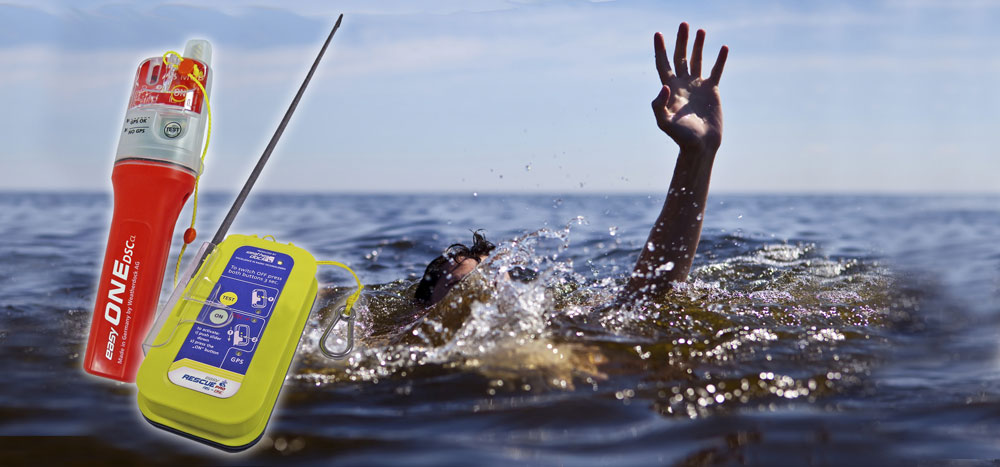
Unsere Rettungssender sind leistungsstark, handlich, schwimmfähig und übertragen nach der Aktivierung die aktuelle GPS-Position für die schnellstmögliche Rettung von über Bord gegangenen Personen. Eine gute Sichtbarkeit auf hoher See ist wichtig, denn:
Wer nicht gesehen wird, kann nicht gerettet werden!
NAVIGATION
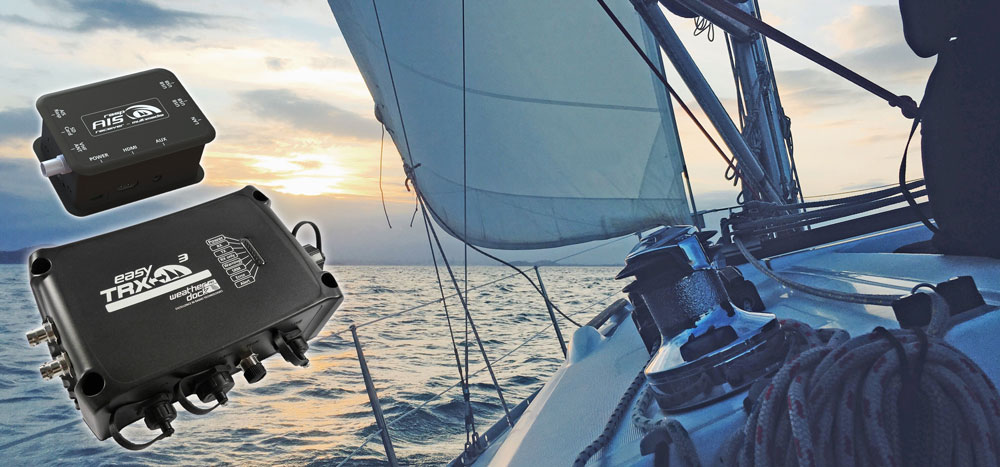
Unsere Sende-Empfänger nehmen die Vermutung aus Ihrer Navigation und erhöhen die Sicherheit an Bord. Anhand der eingehenden AIS-Signale können Sie sehen, was sich in Ihrer Umgebung befindet, und gleichzeitig werden Sie aufgrund der gesendeten AIS-Signale gesehen.
TRACKING
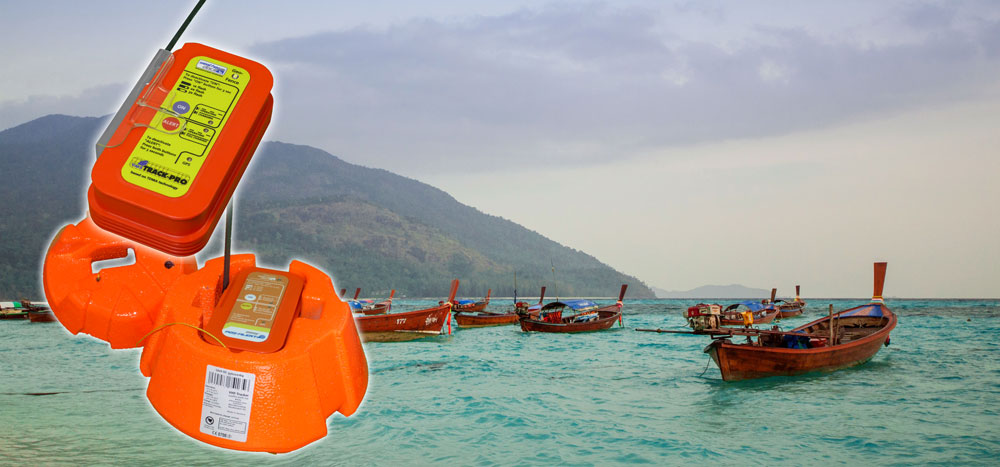
Unsere Ortungssender ermöglichen die Ortung und Überwachung von sich bewegenden Objekten in einem bestimmten Bereich mithilfe der UKW-Funktechnologie. Übertragung auf Sonderfrequenzen, Alarm-Funktion, Geofence-Setup, Manipulationsschutz und vieles mehr sind möglich.
BOOTSÜBERWACHUNG
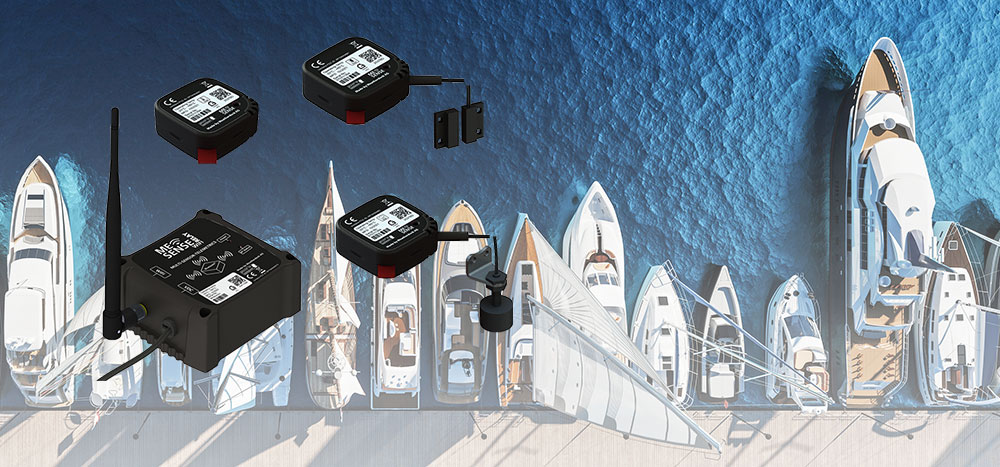
Echtzeit-Bootsüberwachung via App auf dem Smartphone – so weiss man immer dass an Bord alles in Ordnung ist. Die “ME SENSE” Serie ist entwickelt worden, um einen besseren Überblick über den Zustand des eigenen Schiffes zu erhalten. Dies gilt für die lange Zeit des Winterlagers, aber auch für die Zeit, die man während der Saison nicht an Bord ist.
Jetzt Distributor werden
Werden Sie Vertriebspartner von Weatherdock.
NEWS von der Weatherdock AG
Wir sind dabei! Mit dem RAD zur Arbeit – AOK Mitmachaktion
Die AOK Mitmachaktion vom 01. Mai bis 31. August 2024. Gesundheit fördern, Umwelt entlasten.
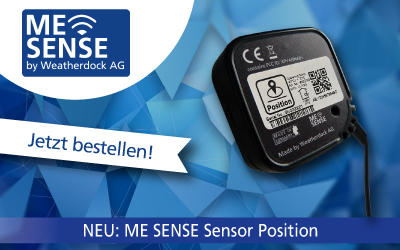
NEU: ME SENSE Sensor – Position
Nutzen Sie das ME SENSE Bootsüberwachungssystem jetzt auch als Diebstahlschutz und Ankeralarm. Mit dem ME SENSE Sensor Position lässt sich das ganz einfach nachrüsten.
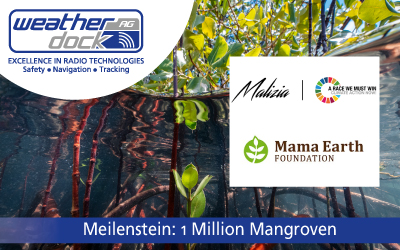
Meilenstein: 1 Mio. gepflanzte Mangroven im Malizia Mangroven Park
Der erste und wichtigste Meilenstein ist geknackt! Team Malizia hat mit Hilfe der Mama Earth Foundation und zahlreichen Spendern die ersten 1 Million Mangroven gepflanzt.
Wir machen mit!

Neu bei Weatherdock – ME SENSE Bootsüberwachung
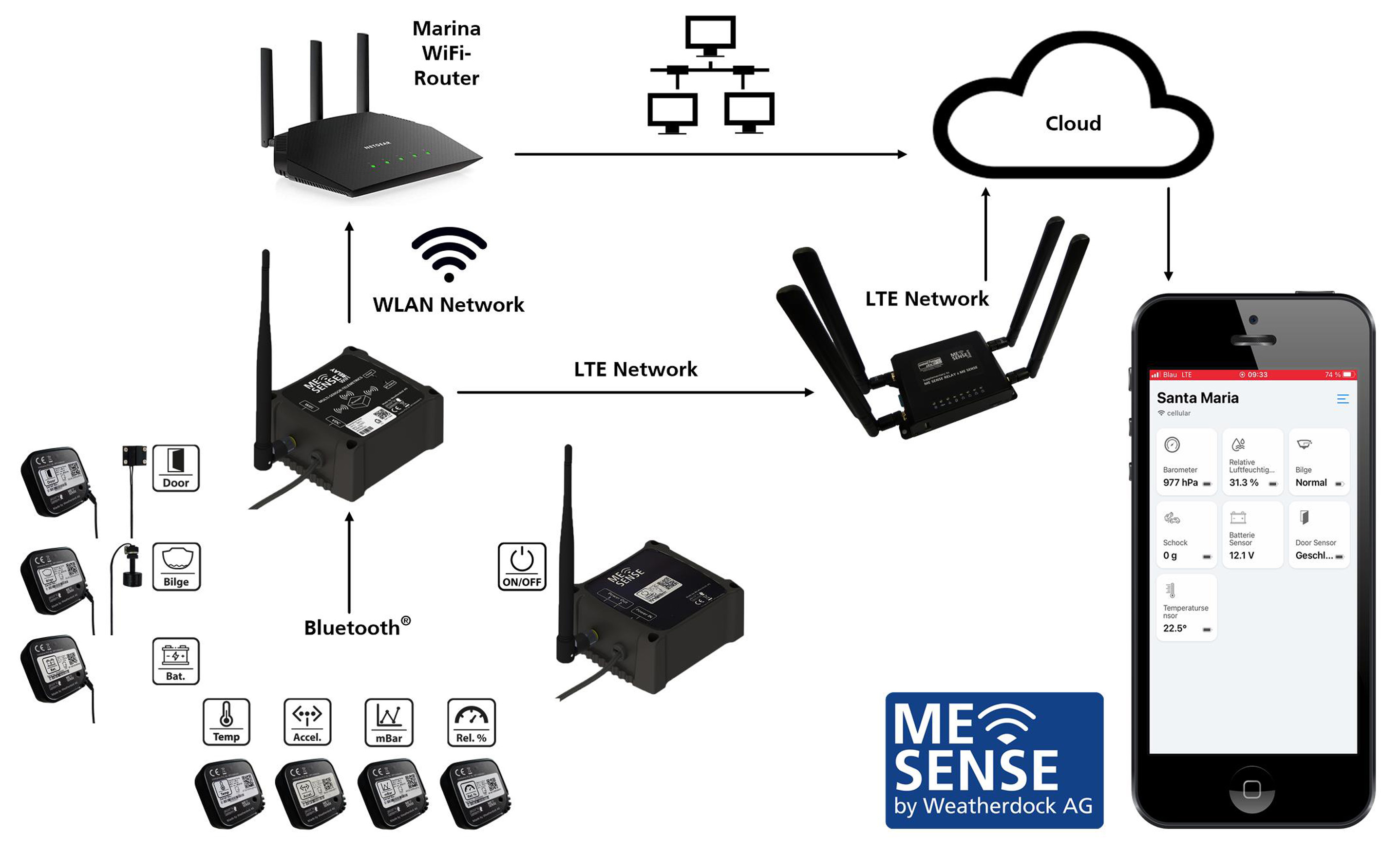
BOOTSÜBERWACHUNG IN ECHTZEIT PER APP
Mehr Sicherheit für Ihr Boot, auch wenn Sie nicht an Bord oder vor Ort sind. Dank unseres neu entwickelten Systems ME SENSE zur Echtzeit-Bootsüberwachung via App auf dem Smartphone wissen Sie ab sofort immer, ob an Bord alles in Ordnung ist.
Auch für die Zeit im Winterlager ist ME SENSE ideal geeignet um die wichtigsten Informationen immer im Blick zu haben.
Dank zahlreicher Sensoren können verschiedene Parameter erfasst und bis auf Ihr Smartphone weitergeleitet werden – in Echtzeit.
Neu bei Weatherdock
– ME SENSE Bootsüberwachung
BOOTSÜBERWACHUNG IN ECHTZEIT PER APP
Mehr Sicherheit für Ihr Boot, auch wenn Sie nicht an Bord oder vor Ort sind. Dank unseres neu entwickelten Systems ME SENSE zur Echtzeit-Bootsüberwachung via App auf dem Smartphone wissen Sie ab sofort immer, ob an alles in Ordnung ist.
Auch für die Zeit im Winterlager ist ME SENSE ideal geeignet um die wichtigsten Informationen immer im Blick zu haben.
Dank zahlreicher Sensoren können verschiedene Parameter erfasst und bis auf Ihr Smartphone weitergeleitet werden – in Echtzeit.
Weatherdock unterstützt den Malizia Mangroven Park

EASY2-MOB KAUFEN UND KLIMA RETTEN
1 easy2-MOB = 10 Mangroven
Über den Verkauf des neuen Rettungssenders aus dem Hause Weatherdock wurde 2023 das Projekt von Boris Herrmann “1.000.000 Mangroven für den Malizia Mangroven Park” unterstützt. Gemeinsam mit unseren Kunden konnten wir über 14.000 Mangroven pflanzen lassen.
easyAIS
AIS S.A.R.T.
Wer nicht gesehen wird, kann nicht gerettet werden!
Ein AIS S.A.R.T. (Search and Rescue Transponder) ist ein eigenständiger Sender, der in Seenot-Situationen eingesetzt und aktiviert werden kann. Die easyRESCUE Geräte können an Rettungswesten, Rettungsinseln bzw. Rettungsbooten angebracht werden.
AIS Sender und Empfänger
Durch die AIS Technologie erhalten Sie Einblick in die “Fahrdaten” von sämtlichen Berufsschiffen und Sportbooten in Ihrer Umgebung. Mit AIS Sende/Empfängern können Sie sogar aktiv teilnehmen und informieren andere Verkehrsteilnehmer über Ihren eigenen Kurs und Position.
AIS Locators
Mit dem Tracking-System easyPOSALERT können per UKW Funkübertragung Positionsmeldungen von Objekten in einer “closed user group” in Echtzeit empfangen und angezeigt werden.
Das sagen unsere Kunden

Serviceanfrage per E-Mail
Sie leisten einen Spitzenservice mit kurzen Antwortzeiten für Ihr Produkt easyTRX3. Ich habe selten einen so prompten und kompetenten Service erlebt. Bleiben Sie dabei! Auch dies bestärkt mich sehr darin, Ihre Produkte weiter zu empfehlen.
TRX – 2S
Moin,
ich bin begeistert über das Gerät und den Service. Das Gerät, welches ich bei Weatherdock erworben habe, hatten nach 2 Jahren und 5 Monaten einen sporadischen Fehler. Der sehr gute Telefonsupport mit schlauen Tips hat letztendlich zum Beheben der Fehler geführt.
Auch die Kulanzregelung ließ nicht zu Wünschen übrig.
Die Inbetriebnahme ist einfach dank der guter Beschreibung, die allerdings genau befolgt werden sollte. Nachdenken ist hier nicht angesagt.
Auch die Änderung der MMSI-Nummer ist mit dem Service und einem Windows-Rechner bei guter Vorbereitung eine Sache von 5 Minuten.
Ich werde jedem die Firma Weatherdock weiterempfehlen.
Perfekter Support
Auf der Überfahrt von Gambia nach Martinique hatte ich große Probleme mit dem AIS. Ich konnte zwar empfangen aber nicht senden.
In Martinique angekommen, versuchte ich mit ansässigen Fachleuten das Problem zu lösen was nicht funktionierte.
Erst auf Anraten eines Seglerkollegen den Servicedienst von Weatherdock zu kontaktieren schöpfte ich wieder Hoffnung.
Ich wurde von Herrn Lange betreut der sich über Team Viewer in mein AIS einloggte, das Problem sofort erkannte und in kurzer Zeit die richtige Funktion wieder herstellte.
Es war wirklich erfreulich endlich wieder mit kompetenten Fachleuten zu tun gehabt zu haben die in Ruhe und mit fachlicher Kompetenz souverän das Problem lösten.
An dieser Stelle herzlichen Dank an Herrn Lange und das ganze Support Team
Kann ich nur empfehlen.
Weatherdock Newsletter für regelmäßige Informationen
Sicherheit, Navigation, Tracking, Bootsüberwachung von Weatherdock – bleiben Sie auf dem Laufenden!
Wenn Sie sich für unsere easy-Produktfamilie interessieren, können Sie sich gerne unseren kostenlosen Newsletter abonnieren.
